
Featured projects
The project snapshots below illustrate some of the ways we’re putting CRI’s theory of change into action.
-
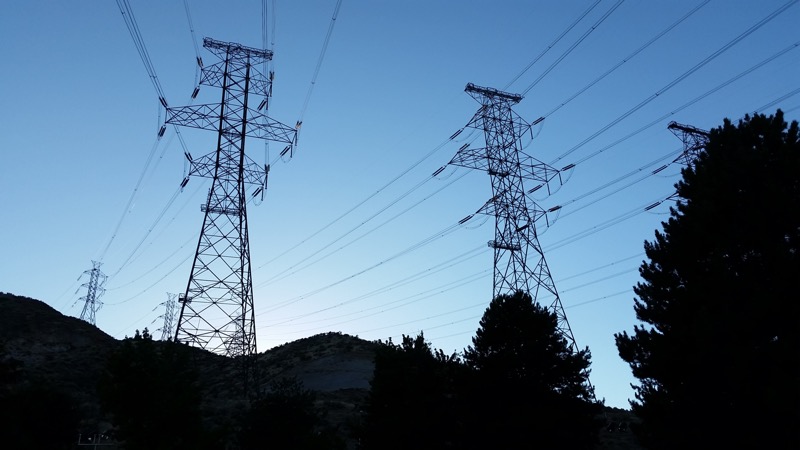
Unleashing modern energy
Electricity prices and demand for power are both soaring, while extreme weather is making it harder and harder to keep the lights on. Yet there’s massive untapped potential for clean, reliable energy in the United States. To realize it, we’ve got to make room for new energy to move. Our CELS Playbook provides a menu of options for state and local leaders to break down barriers to building — such as by fixing broken incentives that slow expansion of distributed energy resources, or by radically reimagining the role of public utility commissions (PUCs). Energy that’s affordable, reliable, abundant, and clean? Yes please.
-
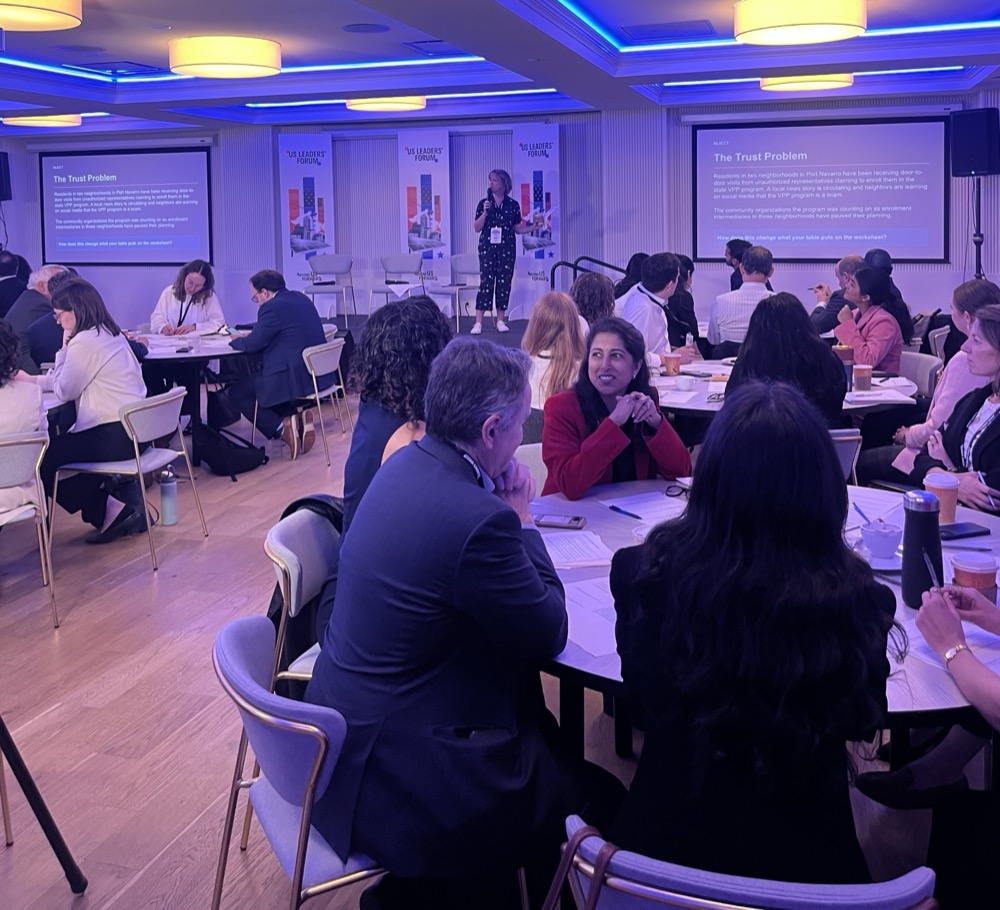
Implementation stress-testing
A great idea on paper doesn’t guarantee results in practice. Climate policy routinely stalls on capacity bottlenecks, overlapping authorities, and other predictable failure points. CRI catches these problems before they happen, running tabletop simulations and hands-on workshops (like our State Capacity Summer Camps) that pressure-test policy ideas against real-world conditions before a program launches. Our work ensures that policymakers are equipped with ideas that have already been beta-tested — because when an implementation window opens, you only have one shot.
-
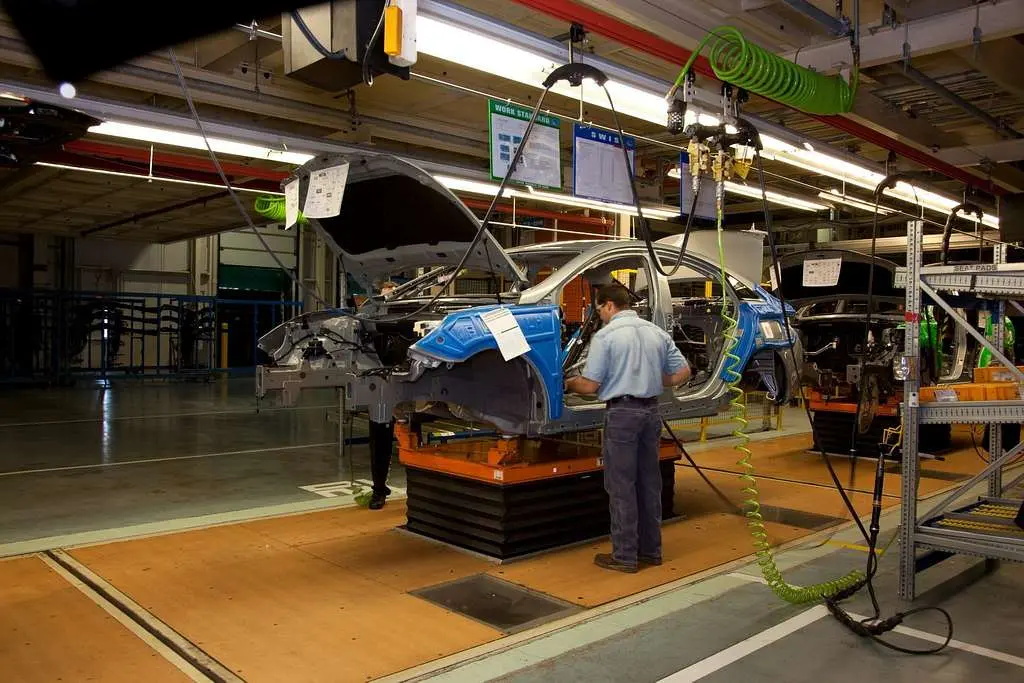
Revitalizing the U.S. auto industry
The global auto industry is changing fast, but the United States lacks a serious strategy for competing in an increasingly electric market. CRI is building a durable, bipartisan framework for revitalizing the U.S. auto industry — one that goes beyond one-off incentives and politically fragile regulation. We’re bringing together key players around core components of a long-term national strategy: electrification, infrastructure, trade policy, and support for workers and communities. We’re also arming state leaders with actions they can take now to keep the American auto industry competitive while cutting emissions and consumer costs alike.
-
Bridging local and federal policy
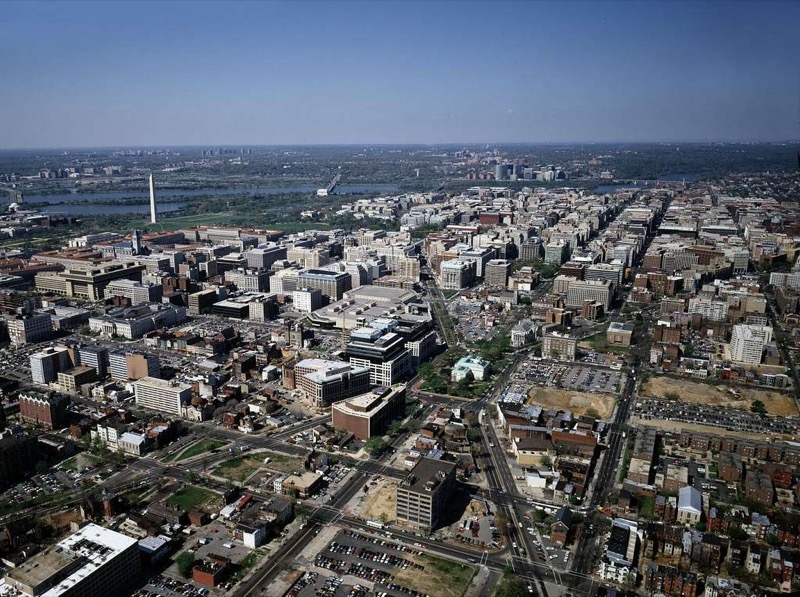
State and local leaders implement climate policy on the ground but often have no seat at the federal table. CRI is changing that. Our Local Advisory Council channels ground-up perspectives from across the country into federal energy, housing, and transportation policy, while our “Big Ideas” whitepaper series elevates state, local, regional, and Tribal leaders on climate’s next chapter. Our in-house Metrolab network, as well as our partnerships with ICLEI USA and others, are seeding emerging strategies on regulatory ingenuity in climate across a transpartisan network of hundreds of state and local leaders — a network that’s delivering the progress we need now in ways that also test what’s possible in the future.
-

Making housing a force multiplier
Housing in America is expensive, and there isn’t enough of it in the places people want to live. Decades of underproduction have led to today’s housing shortage and high home prices and rents — we’ll need to build about 14 million homes over the next decade to meet demand. Alongside the Housing Multiplier Project, CRI is laying out the policies that will loosen strangleholds on housing production while ensuring that when we build, we build for benefits. Our work shows that ingenuity in housing policy can expand supply and lower costs across the board while simultaneously strengthening resilience and insurance markets; improving state and local fiscal health; protecting open and working lands; lowering energy costs; increasing grid reliability; and reducing emissions by at least 70 million tons per year — making housing a true force multiplier for progress.